Area riservata | Web mail
CNR-ISC
  • Home
  • Research
    • Research activities
      • Soft Matter
      • Physical Biology
      • Quantum Complexity
      • Statistical Physics & Complexity
    • Groups
      • Applico
      • CoBBS
      • Complex Photonics
      • FirenzeNeuro
      • GRANES
    • Projects
      • National Projects
      • International Projects
    • ERC & PNRR
      • PNRR@ISC
      • RG.BIO
    • Publications
  • People
  • Jobs
  • Outreach
  • Newsletters
  • About
    • News
      • Events
    • Mailing list
  • Click to open the search input field Click to open the search input field Search
  • Menu Menu

Midges Taxonomy

You are here: Home1 / Groups2 / CoBBS – Collective Behaviour in Biological Systems3 / Experiments4 / Midges Taxonomy

Midge Taxonomy

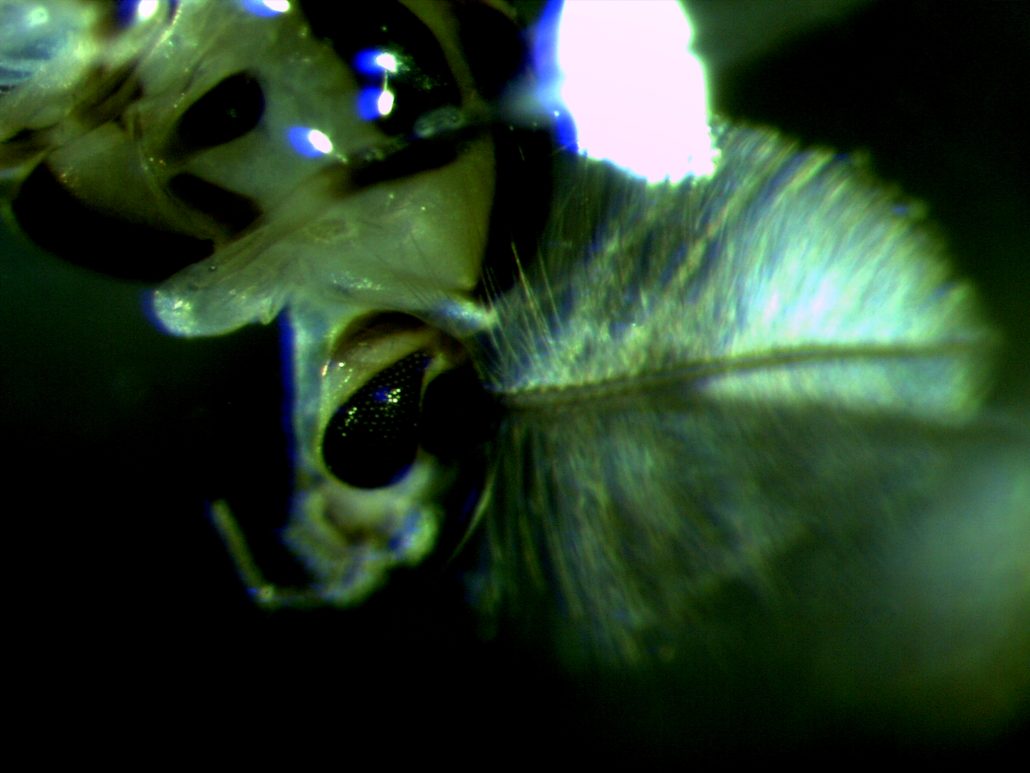
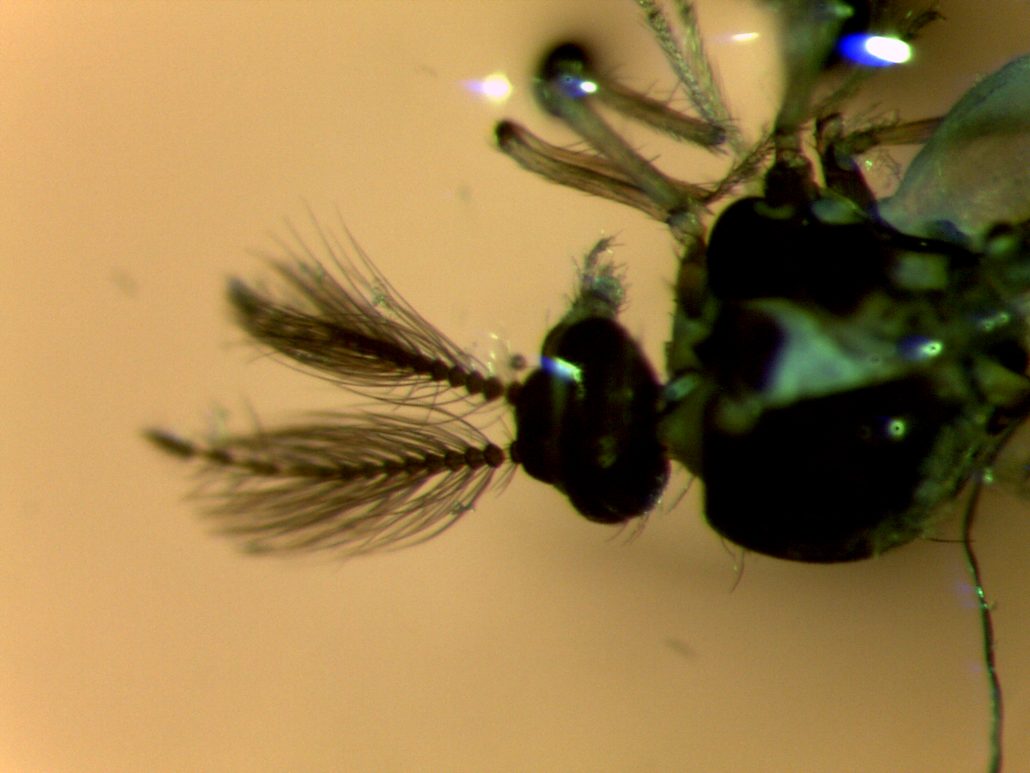
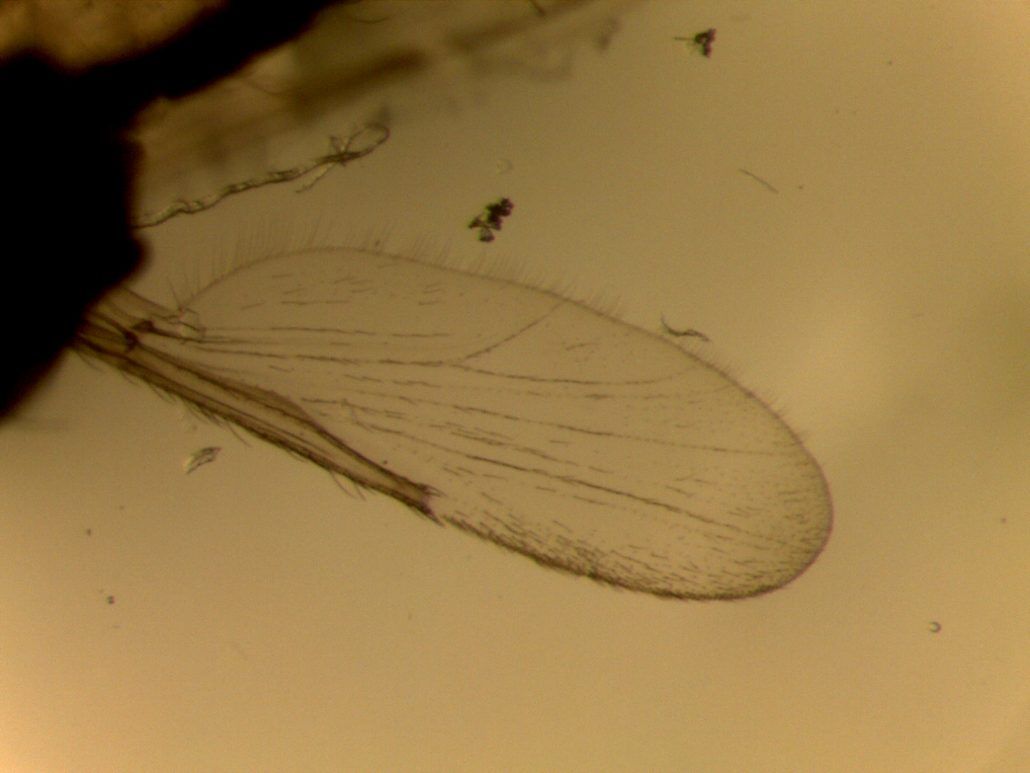
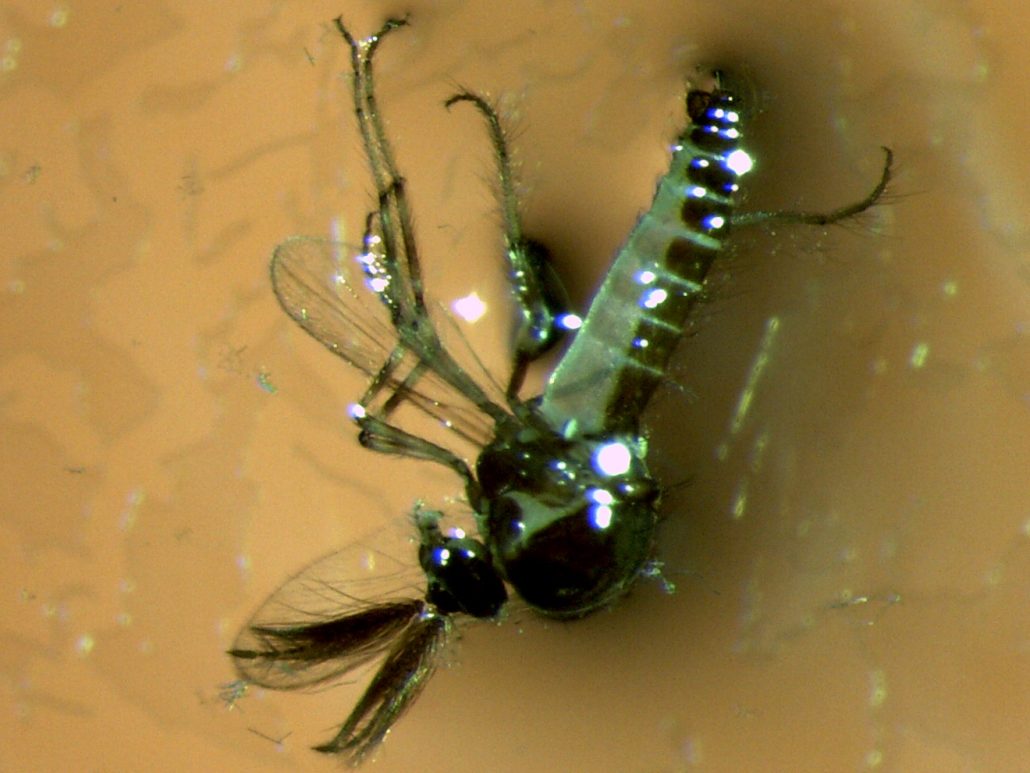
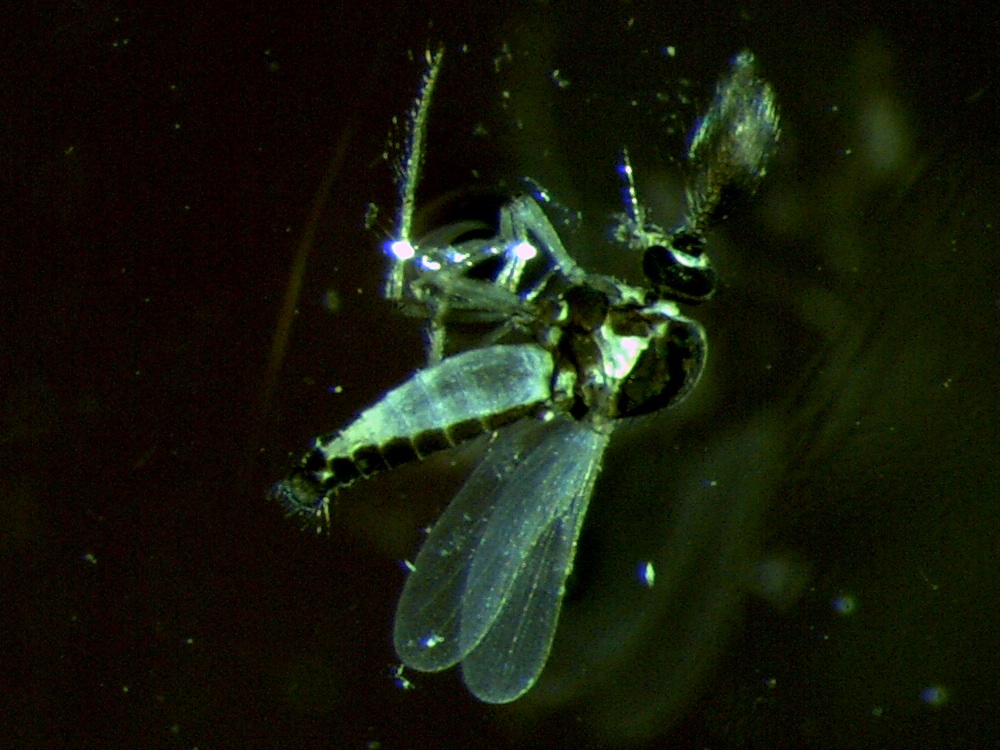
The taxonomy for midges is quite complicated. They are insects of Order Diptera, Suborder Nematocera, and Infraorder Culicomorpha. Within the parks of Rome, we have typically found two Families of midges: Chironomidae and Ceratopogonidae. The stereo microscope enables us to determine sex of the midge as well as the family. Male midges have very distinct looking antennae: many flagellomeres (segments) with whorls of long setae leading to its plumose appearance, while females have antennae composed of fewer shorter flagellomeres with more sparse setae. To distinguish between the two Families, we examine midge’s flagellomeres . Chironomidae have rod-like flagellomeres while Ceratopogonidae have ball-shaped flagellomeres. The difference between the two types can be seen in a comparison of Figs. 7 & 10. Further classification into Subfamilies, Genus and Species can also be accomplished using the stereo microscope to scrutinize other morphological characteristics of the midge, namely the wings and legs. The primary aspect to examine in the wings is the veins, especially their distribution pattern. The legs of a midge have five segments and the ratio between the lengths of various segments can be a classifier. To truly identify a midge to the Species level requires looking at the “hypopygium” i.e. the male sexual organ in midges. This process involves dissecting the midge to remove the hypopygium and mounting it on a slide to be examined under the compound microscope. Unfortunately, this means that it is not possible to identify precisely female midges.

For further information on midge identification (and the resource we currently use), see: P.H.Langton and L.C.V.Pinder, Key to the adult male chironomidae of Britain and Ireland, Volumes 1 and 2, Freshwater Biology Association, 2007.

Chironomidae

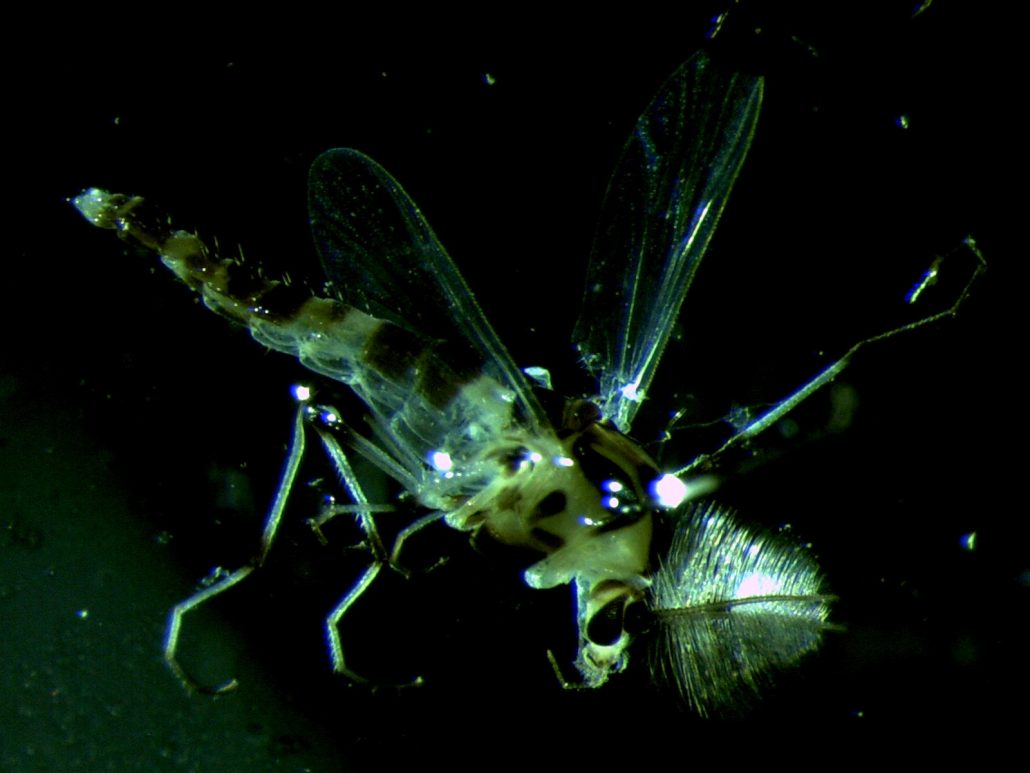
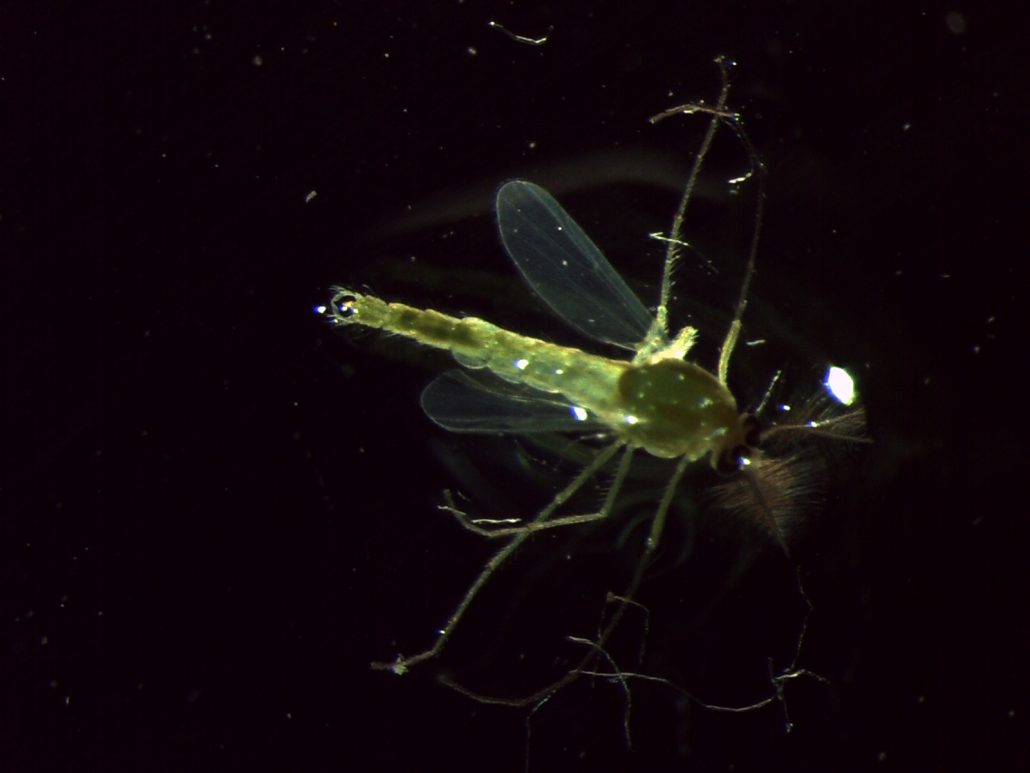
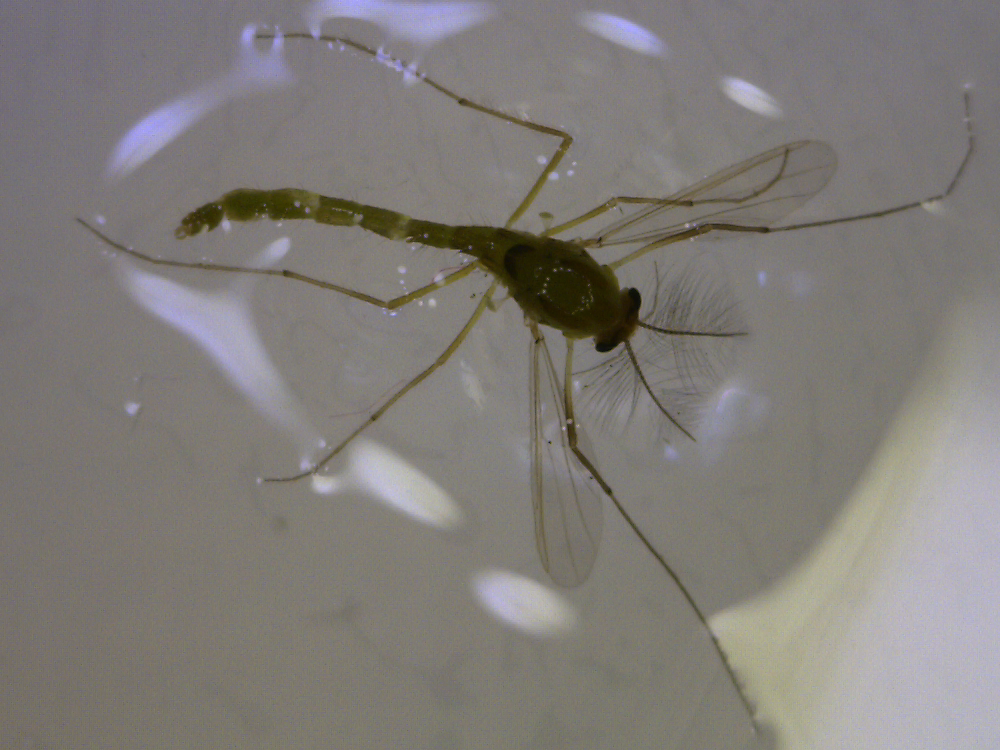
This is a Family of nematoceran flies that can be found around the world. Known informally as chironomids or non-biting midges, they are also closely related to Ceratopogonidae. As can be seen the figures below, Chironomidae resemble mosquitoes and are frequently misidentified as the latter. The difference between the two is that former lacks the wing scales and mouthparts of the latter. The following figures show a sample of the different specimens that we have collected throughout Rome.
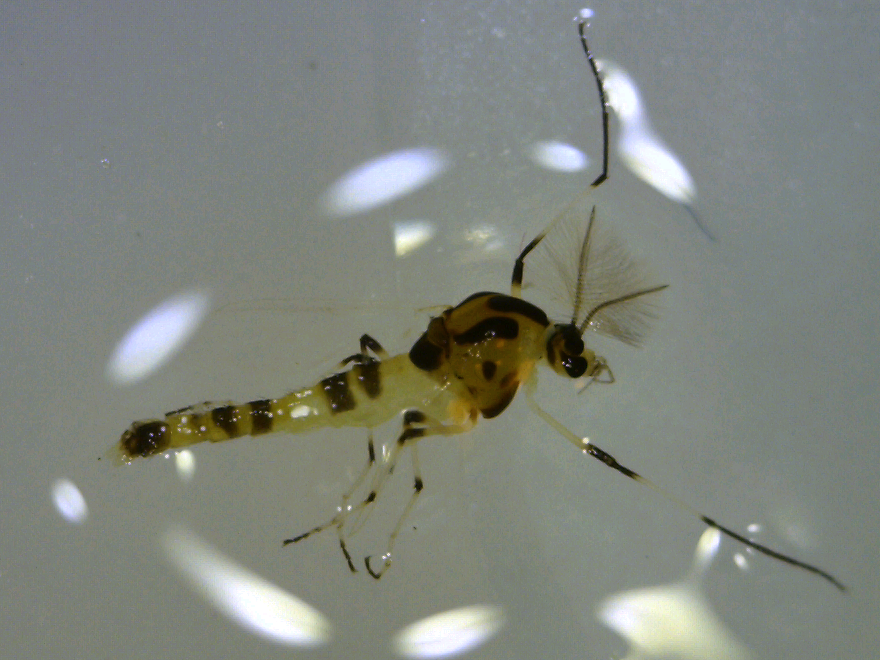
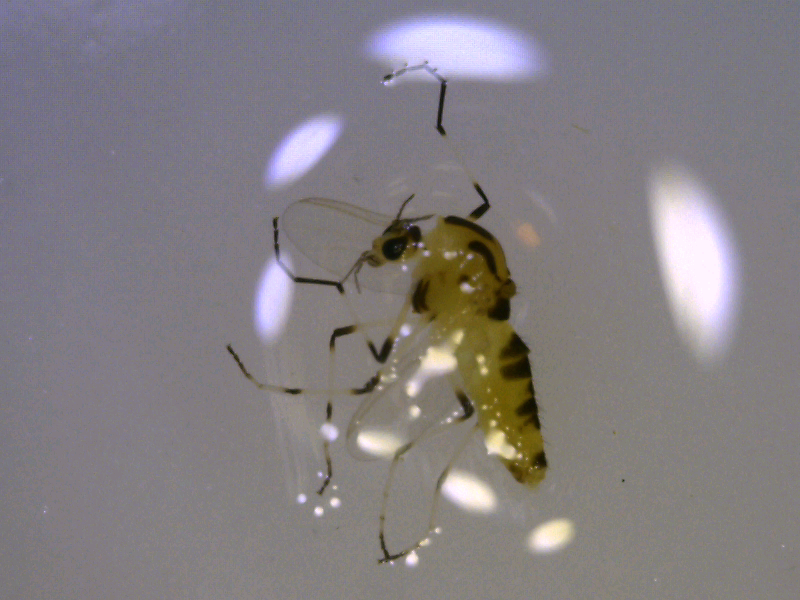
Figs. 1 – 4 are Subfamily: Orthocladiinae, Genus: Cricotopus, Species: Sylvestris
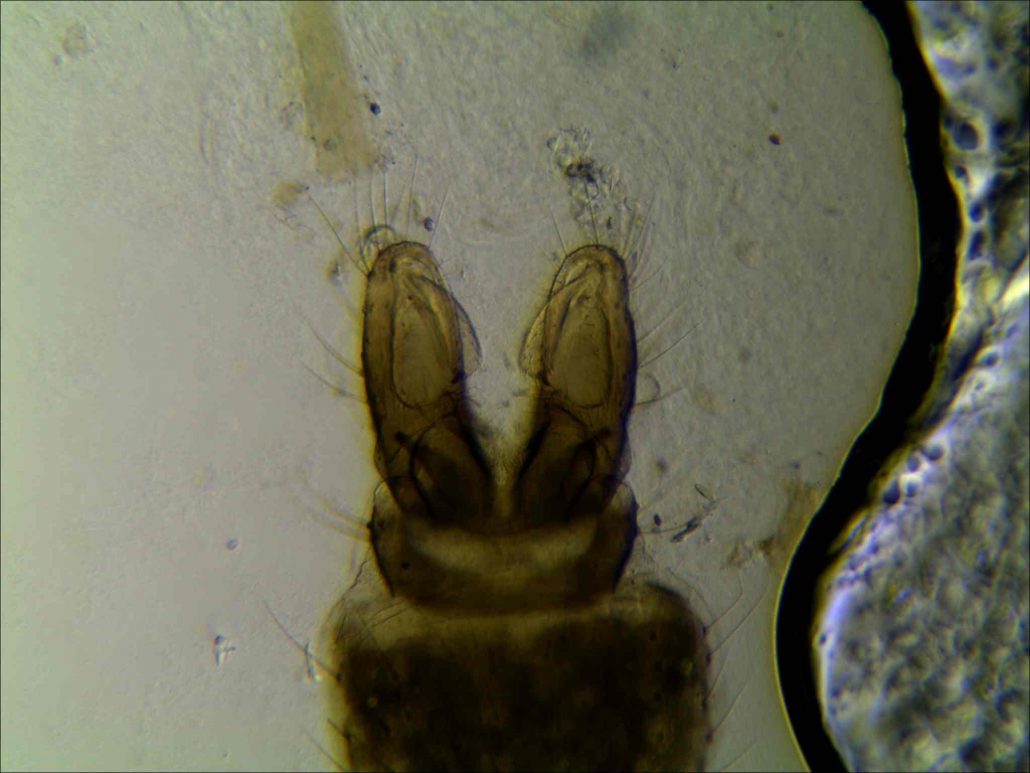
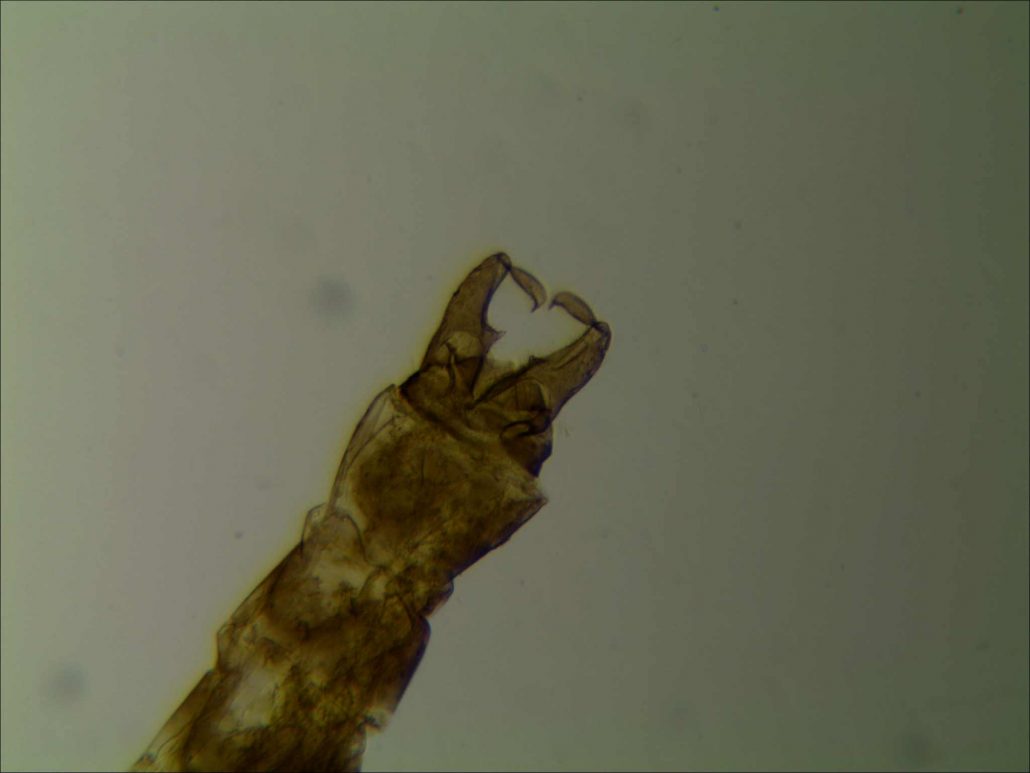
Figs. 5 and 6 show close ups of the hypopigium of two different midges. Fig. 5 is the same Species as Figs. 1 – 4 i.e. Cricotopus Sylvestris, while Fig. 6 is Nanocladius Rectinervis.
Figs. 7 and 8 show another species of midge that is common in Rome: Chaetocladius Piger.

Ceratopogonidae

Although technically a Family of biting midges, the only species that we have found so far is from the Genus Dasyhelea, which is known to feed on nectar.
  • Applico – Applied Complexity Lab
    • Associated Labs & Organizations
    • People
    • Projects
    • Research & Activities
    • Schools, Workshops and Conferences
  • CoBBS – Collective Behaviour in Biological Systems
    • Research
    • People
    • Experiments
      • Midges Taxonomy
    • Computer Vision
    • Publications
    • Media Coverage
    • Lectures and Talks
    • Grants
  • Complex Photonics Group – Photonics of Complex Systems
    • People
    • Biophysics
    • Nonlinear Optics
    • Random Photonics
    • Optical computing
    • Topological Photonics
    • Terahertz
  • FirenzeNeuro – Computational Neuroscience Lab
    • People
  • GRANES – Granular and Non-Equilibrium Systems
    • People
    • Research
    • Publications
    • Media Coverage
    • Grants
    • Lectures and Talks
  • Mediterranean Quantum Connectivity | QCIMed
    • Partners
    • News
    • Press Release
  • Quantum Devices and Information – Theory (QuDIT)
    • People
    • Research
    • QuDIT – Collaborations

Sede amministrativa

Via dei Taurini 19, 00185 Roma
PHONE: +39 0649937495 / 0649937442
FAX: +39 0649937440

SESTO FIORENTINO

Via Madonna del Piano 10 – 50019 Sesto Fiorentino (Firenze)
PHONE: +39 0555226632
FAX: +39 0555226683

ROMA, LA SAPIENZA

Dipartimento Fisica Nuovo Edifico Università La Sapienza – P.le Aldo Moro, 5 – 00185 Roma
PHONE: +39 0649913720
FAX: +39 064454816

TORINO, POLITO

Politecnico di Torino,
Corso Duca degli Abruzzi, 24
10129 Torino (TO)
PHONE: +39 011 0907310
FAX: +39 011 0907399

© Copyright CNR ISC 2014.   Partita IVA: 02118311006.   Codice Fiscale: 80054330586   Amministrazione Trasparente Privacy Policy | Accessibilità |Dichiarazione AgID
Scroll to top Scroll to top Scroll to top
This website uses cookies to improve your experience. We'll assume you're ok with this, but you can opt-out if you wish.Accept Read More
Privacy & Cookies Policy

Privacy Overview

This website uses cookies to improve your experience while you navigate through the website. Out of these, the cookies that are categorized as necessary are stored on your browser as they are essential for the working of basic functionalities of the website. We also use third-party cookies that help us analyze and understand how you use this website. These cookies will be stored in your browser only with your consent. You also have the option to opt-out of these cookies. But opting out of some of these cookies may affect your browsing experience.
Necessary
Always Enabled
Necessary cookies are absolutely essential for the website to function properly. This category only includes cookies that ensures basic functionalities and security features of the website. These cookies do not store any personal information.
Non-necessary
Any cookies that may not be particularly necessary for the website to function and is used specifically to collect user personal data via analytics, ads, other embedded contents are termed as non-necessary cookies. It is mandatory to procure user consent prior to running these cookies on your website.
SAVE & ACCEPT